
Plumbing advice
Clogged Main Drain Causes and Who Should You Call?
September 4, 2026
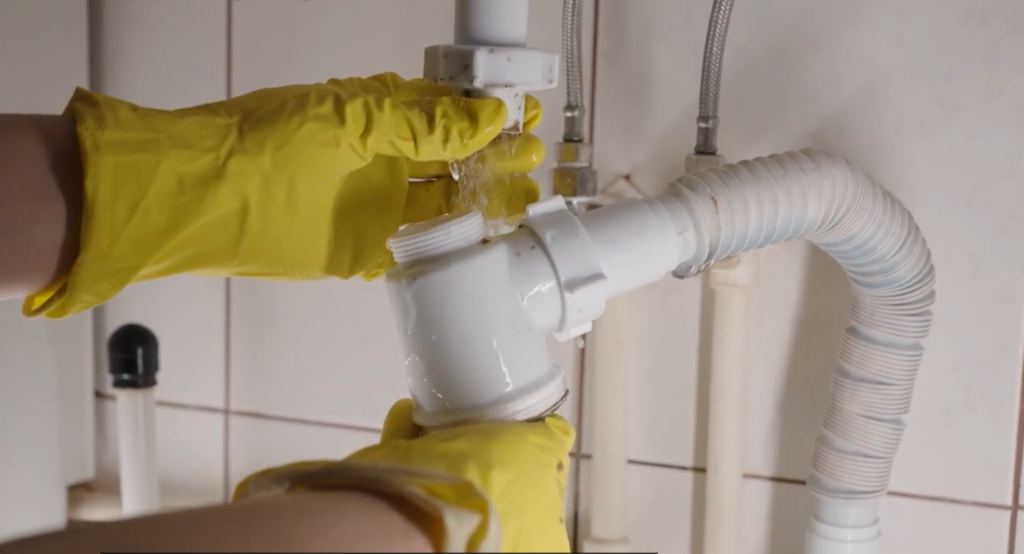
If more than one drain in your house is backing up right now, stop reading the fine print and stop running water. A main drain clog sits in the pipe that carries wastewater away from your entire home, not just one fixture, so when it blocks, the backup shows up in the lowest or most connected drains first usually a toilet, shower, tub, or floor drain. It matters because sewage can back up into living space fast, and because clearing it wrong (or in the wrong pipe) can turn a $300 service call into a $9,000 excavation. If two or more drains are misbehaving at once, call a licensed plumber before you touch a bottle of drain cleaner or force a snake down anything.
Quick Answer: If several drains in your Greenville home back up together, especially a toilet, shower, bathtub, or floor drain, the blockage is likely in the main house drain or sewer line rather than one fixture. Stop using water and have a licensed plumber locate the blockage before repeatedly trying to clear it yourself.
In this guide: how to tell a main drain clog from a single clogged fixture, what actually causes them in Greenville’s clay soil, who’s responsible for which section of pipe, what a plumber does step by step, when it’s a true emergency, and what it typically costs.
How Do You Know Your Main Drain Is Clogged?
A main drain clog shows up as more than one drain acting up at the same time, not just one slow sink. If your toilet gurgles when the washing machine drains, or your shower backs up when you flush, the blockage is downstream of both fixtures, in a shared pipe. A single slow drain, by contrast, is almost always a local, fixture-level clog.
We get called out on this pattern constantly: someone plunges the toilet, it clears for a day, then the guest bathroom backs up too. That’s not two separate problems. That’s one blockage further down the line, and every fixture upstream of it is a warning light.
Multiple drains backing up at the same time
This is the single clearest sign of a main line problem. When your kitchen sink, a bathroom sink, and a tub all start draining slowly within the same day or two, water is struggling to get past a shared point in the system rather than a clog local to one fixture.
Toilet and shower backing up together
Toilets and showers often share a branch line before it ties into the main drain, so when both back up at once, the restriction is at or past that junction, not inside either fixture. This combination is one of the most reliable main-drain indicators we see in Greenville homes.
Toilet gurgles when you run the sink or washing machine
A gurgling toilet means air is being pushed back up through the trap because water leaving another fixture can’t move freely downstream. This gurgle is a pressure signal, not a coincidence, it means the toilet and the fixture you just ran share a drain path that’s partially blocked.
Water rises in a toilet when another fixture drains
If flushing one toilet makes water rise (not just gurgle) in a different toilet or floor drain, wastewater is being displaced backward because it has nowhere else to go. This is a stronger warning sign than gurgling alone and often means the blockage is close to full.
Floor drain backing up first
Floor drains, common in Greenville basements, garages, and older crawl-space homes with a laundry tub tie-in, sit at the lowest point in the plumbing system. Because of that, they’re frequently the first place a main line clog shows up, even before upstairs fixtures react.
Sewage or foul odors inside the house
A persistent sewage smell, especially near floor drains or in a laundry room, points to wastewater sitting stagnant in a partially blocked line rather than draining normally. Don’t mask this with air freshener and move on; treat it as a diagnostic clue.
Sewage or wastewater appearing in the yard
Wet, spongy ground, dark staining, or a sewage odor over your sewer lateral’s path is a sign the pipe is leaking or has backed up to the point of surfacing. This is not a drainage or irrigation issue to wait out; it’s a sign your private lateral needs immediate attention.
The clog keeps returning after snaking
A clog that comes back within days or weeks of being snaked, especially if it returns in the same spot, usually means the real problem is structural (roots, a belly, an offset joint) rather than a simple soft blockage. Recurring clogs are one of the strongest reasons to move from snaking to a camera inspection.
Is It a Main Drain Clog or Just One Clogged Fixture?
You can get a strong read on location just from which fixtures are affected and how many. One slow sink almost always means a local fixture or branch clog; several slow or backed-up fixtures, especially a toilet plus a shower or floor drain, point toward the main drain or sewer lateral.
| What you notice | More likely location | What it means |
| One sink slow | Fixture/branch drain | Localized problem more likely |
| One toilet clogged | Toilet/fixture drain | Local blockage possible |
| Two nearby fixtures slow | Branch line | Shared restriction possible |
| Several fixtures slow | Main drain/lateral | Downstream problem more likely |
| Toilet + shower backup | Main/branch line | Possible downstream blockage |
| Whole-house backup | Main drain/sewer lateral | Professional diagnosis needed |
Symptoms narrow the likely location, but they don’t give you a definitive diagnosis. Two homes with identical symptoms can have completely different root causes; one might be a grease clog three feet past a cleanout, the other a collapsed clay pipe forty feet toward the street. That’s why the pattern in the table above is a triage tool, not a substitute for locating the actual blockage with a cleanout access point, a drain snake, or a camera.
What Is the Difference Between a Main Drain, Sewer Lateral, and Public Sewer?
Your home’s wastewater passes through three distinct sections of pipe, each with a different owner, and knowing the boundary between them determines who you call. The main drain and lateral are yours; the public main belongs to the utility.
What is a main house drain?
The main house drain (also called the building drain) is the largest pipe inside your home’s foundation footprint, the one every other drain line, kitchen, bathrooms, laundry, floor drains, eventually ties into before it exits the house. Everything upstream of your foundation wall is fixture, branch, or main drain; it’s all part of your interior plumbing.
What is a private sewer lateral?
The private sewer lateral is the buried pipe that runs from where the main drain exits your house out to the point where it connects to the public sewer main, typically under the street or in a utility easement. This section is buried, usually four to six feet down depending on grade, and it’s the section most affected by tree roots and soil movement.
What is a public sanitary sewer main?
The public sanitary sewer main is the larger pipe, usually running down the street or through a rear easement, that collects wastewater from many private laterals and carries it to a lift station or treatment plant. This pipe is owned, inspected, and maintained by whichever public utility serves your specific address.
Where does my home’s responsibility end?
Your responsibility ends at the point your private lateral connects to the public sewer main everything before that connection point is yours to maintain, clear, and repair. Under the City of Greenville’s sewer ordinance, property owners are responsible for the cost of installing, connecting, and repairing their service lateral, and if a privately owned lateral is deteriorated or improperly connected in a way that causes inflow and infiltration problems, the property owner must correct it or the City can perform the repair and place a lien on the property for the cost.
One nuance that trips people up: inside Greenville city limits, the public main is typically maintained by the City of Greenville Public Works Department’s Sanitary Sewer Bureau, which operates and maintains roughly 327 miles of sanitary sewer main. Outside the city, in much of unincorporated Greenville County and parts of Anderson, Laurens, Pickens, and Spartanburg counties, wastewater collection and treatment is instead handled by Renewable Water Resources (ReWa), a separate regional public utility. Your address, not just your zip code, determines which agency owns the main your lateral ties into check a recent sewer bill or call the utility directly if you’re not sure.
Should I call a plumber or the City of Greenville?
Call a licensed plumber first if the blockage is inside your home or in your private lateral, since that section is your responsibility regardless of cause. If a plumber traces the blockage past your property line and confirms it’s in the public main, or if you see sewage surfacing in the street or a shared easement, contact the servicing utility, City of Greenville Public Works.
What Causes a Main Drain Clog in Greenville, SC?
Most main drain clogs in Greenville trace back to one of a short list of causes: tree roots, grease, wipes and foreign objects, or a structural pipe defect like a crack, offset joint, or belly. Roots and grease are the two most common contributors we find when we camera a blocked main line, followed closely by wipes and other non-flushable material.
Tree roots entering sewer lines
Roots don’t grow toward pipes because they “smell” water in the way people often describe it; they follow moisture gradients in the soil, and a sewer line leaking even a small amount of wastewater through a cracked joint creates exactly that gradient. Once a fine root hair finds its way through a joint gap or hairline crack, it thickens over months and years, and the growing root mass both narrows the pipe and catches paper, grease, and debris flowing past it. Cutting the roots out clears the symptom, not the entry point, the crack or open joint that let the roots in is still there, so roots typically regrow within one to three years unless the defect itself is repaired or the section is lined or replaced.
Grease and food buildup
Grease that goes down a kitchen drain warm and liquid cools as it travels through cooler pipe, and cooled grease coats the pipe wall rather than staying suspended in the water flow. Over months, that coating narrows the effective pipe diameter and traps other debris coffee grounds, food scraps, produce stickers that would otherwise pass through freely. This is a bigger contributor in homes that run a garbage disposal heavily; disposals shred food into smaller pieces, but they don’t remove fat and oil from what goes down the drain.
Flushable wipes and non-flushable materials
“Flushable” on a wipes package refers to the fact that the wipe can physically pass through a toilet trap, not that it breaks down the way toilet paper does in a sewer line. The EPA specifically identifies household products marked “flushable,” including baby wipes and personal hygiene wipes, as a documented cause of sewer blockages, because unlike toilet paper, they don’t disintegrate quickly and instead tangle with grease and other debris downstream. Our rule for customers: if it isn’t toilet paper or human waste, it doesn’t go in the toilet, no matter what the packaging claims.
Hair and soap buildup
Hair and soap scum are branch-line problems more often than main-line problems, but they contribute to downstream restrictions when a branch clog partially clears on its own and pushes material further into the system. Bar soap in particular combines with hard water minerals to form a hard, waxy scale on pipe interiors that narrows flow over years, not weeks.
Foreign objects
Toys, cotton swabs, dental floss, feminine hygiene products, and paper towels are common physical obstructions that either lodge directly in a pipe or act as a net that catches everything flowing past it afterward. These are usually found closer to the fixture where they entered the system, but a single object can travel further than people expect, especially in older cast iron pipe with rough interior walls that snag debris.
Mineral scale and sludge
Hard water leaves mineral deposits (calcium and magnesium scale) on the interior of pipes over years, and that scale narrows the pipe’s effective diameter the same way plaque narrows an artery. A four-inch main drain that’s scaled down to an effective two-and-a-half-inch opening will clog far more easily from ordinary debris than a clean four-inch pipe would.
Cracked or deteriorating pipes
A crack or split in a sewer pipe does two things at once: it lets roots and soil in, and it creates a rough edge or lip that catches paper and debris flowing past. Cracked pipe is a structural problem, not a cleaning problem, snaking or jetting will clear the symptom temporarily, but the pipe keeps catching debris at the same spot until it’s repaired.
Offset pipe joints
Pipe sections are joined at regular intervals, and when soil movement or settling pushes one section slightly out of alignment with the next, that offset creates a small ledge inside the pipe. Paper and solids catch on that ledge the same way debris catches on a rock in a stream, and the clog builds from that fixed point outward.
A sagging or bellied sewer line
A “belly” is a low spot in an otherwise level sewer line, usually caused by ground settling under a section of pipe, where wastewater and solids pool instead of flowing continuously downhill to the main. Bellies don’t always cause an outright blockage, but they collect grease, paper, and sediment faster than a properly graded line, so they show up as a recurring clog in the same location.
Collapsed sewer pipe
A fully collapsed section of pipe blocks flow completely and can’t be cleared by snaking or jetting because there’s no open channel left to push a cable or water jet through. If a plumber runs a snake or camera and hits a hard stop with no give and no visible pipe beyond it, a collapse is the leading suspect, and excavation or trenchless repair becomes necessary rather than optional.
Improper slope or installation problems
Sewer lines need a consistent downhill grade, typically around a quarter-inch of drop per foot, to keep solids moving instead of settling. Not every recurring clog is an installation defect, most are roots, grease, or a localized pipe failure but in newer construction or after DIY plumbing work, an improperly sloped section is worth ruling out with a camera if roots and grease have both been ruled out.
Why Can Greenville’s Local Conditions Contribute to Sewer-Line Problems?
Greenville sits in the South Carolina Piedmont, and the region’s dense red clay soil, mature tree canopy, and mix of older and newer housing stock all shape which sewer problems show up locally and how often. This isn’t the same clog profile you’d see in a sandy coastal city or a flat Midwest suburb.
Greenville’s Piedmont soil and pipe movement
The soils that dominate the Greenville area, mapped by the USDA as the Cecil and Pacolet series are deep, iron-rich clays formed from weathered granite and gneiss bedrock, and they’re classified as having only moderate permeability with medium to rapid runoff. Clay-heavy soil holds water differently than sandy soil does, swelling when saturated after heavy rain and contracting during dry stretches, and that repeated volume change puts cyclical stress on buried pipe joints over years. Pipe joints, not the straight pipe runs themselves, are almost always where this stress shows up first, which is part of why offset joints are such a common finding on Greenville sewer camera inspections.
Mature trees and root intrusion
Greenville’s tree canopy, particularly in established neighborhoods near downtown, North Main, and the Augusta Road corridor, means many properties have large, mature oaks, maples, and pines with root systems that extend well beyond the trunk’s drip line. Older sewer laterals in these areas were often installed decades before the trees reached their current size, so a lateral that was clear of roots at installation can be heavily infiltrated forty or fifty years later without anything ever having gone visibly wrong with the tree itself.
Older Greenville homes and aging drainage materials
Pipe material and condition vary significantly by property age and history in Greenville, and we can’t make a blanket claim about any one material failing on a schedule. That said, homes built before the 1980s more commonly have cast iron, orangeburg (bituminous fiber), or clay tile laterals, all of which are more prone to joint separation, corrosion, or root intrusion than the PVC used in most homes built since. If you don’t know your home’s lateral material, a camera inspection is the only reliable way to find out, rather than guessing from the home’s age alone.
Crawl-space versus slab-foundation homes
Crawl-space homes, common in Greenville’s older neighborhoods, generally give a plumber easier physical access to the main drain and any interior cleanouts, which can make diagnosis and minor repairs faster and less invasive. Slab-foundation homes, more typical in newer Greenville-area construction, route the main drain under the concrete slab itself, so a blockage or break located under the slab may require locating equipment and, in a repair scenario, either slab penetration or a trenchless lining approach to avoid breaking concrete.
Heavy rain versus a true sewer backup
Stormwater flooding around your home’s exterior after heavy rain is not, by itself, evidence of a clogged sanitary sewer, since Greenville’s storm drainage system and its sanitary sewer system are two entirely separate networks. If water is coming up through floor drains or toilets specifically during or right after a heavy rain event, that pattern can point to groundwater infiltrating a cracked sanitary lateral, or in older homes, an improper cross-connection between storm and sanitary systems, both of which are different problems than a routine grease or root clog and worth mentioning specifically when you call a plumber.
What Should You Do When Your Main Drain Is Backed Up?
Stop using water in the house immediately, avoid flushing toilets or running appliances that drain, and call a licensed plumber to locate the blockage before you try to force it clear yourself. Every additional gallon you send down a blocked drain increases the odds of a backup reaching flooring, walls, or belongings.
Stop using water
Every sink, shower, and appliance that drains adds water to a system that already can’t move water fast enough, and that extra volume is what pushes a slow backup into an active overflow. Pause dishwashing, showers, and laundry until the blockage is confirmed and addressed.
Don’t flush the toilets
A toilet holds the largest single volume of water of any fixture in the house, so flushing during a suspected main-line clog is one of the fastest ways to push a slow backup over the edge into an active overflow. If you must use the bathroom, don’t flush; wait until the blockage is cleared.
Don’t run the washing machine or dishwasher
Washing machines and dishwashers both discharge a large volume of water in a short burst, unlike a sink that trickles. That burst is exactly the kind of load that overwhelms an already-restricted main line and forces backup into the lowest fixture in the house.
Keep people and pets away from sewage
Raw sewage carries bacteria, viruses, and parasites, and direct contact or even airborne exposure in an enclosed space is a genuine health risk, not just an unpleasant mess. Close off the affected room, keep children and pets out, and avoid walking sewage-contaminated water through the rest of the house on shoes or paws.
Don’t pour chemical drain cleaner into a suspected main-line blockage
Chemical drain cleaners are formulated for a localized fixture clog close to the drain opening, and pouring one into a suspected main-line blockage means it sits in standing wastewater without reaching the actual obstruction. Worse, if a plumber then needs to snake or jet that line, they’re working with caustic chemical residue in a confined space, which is a real safety hazard for the person doing the work.
Don’t keep forcing a drain snake into an unknown pipe
A store-bought drain snake pushed aggressively into a pipe you can’t see risks puncturing a cracked or already-compromised section, turning a clog into a break. If a plunger and a light hand-crank snake through an accessible cleanout don’t clear it quickly, stop and call a professional rather than escalating force.
Find the cleanout if you know where it is
If you know where your main line cleanout is (typically a capped vertical pipe near the foundation, in a crawl space, or along the lateral’s path in the yard), removing the cap can relieve pressure and give a plumber immediate access without opening up the house. Do not remove the cap if wastewater is actively backed up near it, you’ll release pressurized sewage, just note the location for the plumber.
Call a licensed plumber for diagnosis
Diagnosis before treatment is the single most important step, because clearing the wrong section, or clearing a symptom instead of the actual defect, means you’ll be back here again within weeks. A licensed plumber can confirm whether the blockage is inside your home, in your private lateral, or past your property line in the public main.
Is a Clogged Main Drain an Emergency?
A clogged main drain becomes a true emergency when sewage is actively backing into living space, multiple fixtures are overflowing at once, or you have no usable bathroom in the house. A single slow drain or an isolated toilet clog, by contrast, can typically wait for a scheduled appointment.
When sewage is backing into the home
Active sewage entering a living space, basement, or crawl space is a health and property emergency that needs same-day response, both to stop the source and to begin proper cleanup before contamination spreads or drywall and flooring absorb wastewater.
When multiple fixtures are overflowing
If two or more fixtures are overflowing simultaneously rather than just slowly draining, the blockage is likely severe or total, and continued water use anywhere in the house risks pushing more sewage into the space.
When wastewater reaches flooring or walls
Once wastewater contacts carpet, drywall, or subfloor, the clock starts on mold growth and material damage, typically within 24 to 48 hours in a warm, humid climate like Greenville’s. This escalates a plumbing problem into a remediation problem if it isn’t addressed quickly.
When you have no usable bathroom
A household with only one bathroom and a fully backed-up toilet has no functional wastewater path, which is a legitimate emergency for daily living even if nothing has overflowed yet.
When a slow drain can wait
A single fixture draining slowly, with no gurgling in other drains and no backup elsewhere in the house, is a lower-priority repair that can typically be scheduled within normal business hours rather than dispatched as an emergency.
| Situation | Priority |
| Sewage actively entering the home | Emergency |
| Multiple fixtures overflowing at once | Emergency |
| No usable bathroom in the house | Emergency |
| One toilet or tub backing up, no other symptoms | Urgent |
| Recurring clog, currently draining but slow | Urgent |
| Single slow-draining sink or shower | Schedule |
What Does a Plumber Do for a Clogged Main Drain?
A plumber diagnosing a main drain clog works through a structured sequence: gather symptoms, identify which fixtures are affected, locate access points, determine whether the blockage is inside or outside the home, clear it, then verify the repair actually holds. Skipping steps is how a clog gets “cleared” today and returns next week.
Step 1: Ask about the symptoms
Which fixtures are affected, when it started, whether it’s happened before, and whether it correlates with rain, laundry day, or a specific event narrows the likely cause before any tool touches a pipe.
Step 2: Identify which fixtures are affected
Mapping exactly which drains are backing up (and which aren’t) tells us which branch lines feed into the blocked section and roughly where in the system to start looking.
Step 3: Locate the cleanout or access point
Most homes have at least one cleanout, either inside near the foundation, in a crawl space, or outside along the lateral’s path, that lets a plumber access the main line without opening walls or floors. If no cleanout exists or it’s buried, locating one (or creating access) is the next step before any clearing tool goes in.
Step 4: Determine whether the blockage is inside or outside the home
Working a cable or camera from the interior cleanout toward the exterior tells us whether the obstruction sits inside the home’s footprint or out in the yard toward the street, which determines both the method and who’s ultimately responsible for what’s found.
Step 5: Clear the blockage mechanically
Depending on what the diagnosis points to, we clear the line with a mechanical cable (snake), a root-cutting head, or a hydro jetter, choosing the method based on the suspected cause rather than defaulting to one tool for every job.
Step 6: Test the drainage system
After clearing, we run water through multiple fixtures simultaneously, the same combination that was backing up before, to confirm the line actually flows freely rather than just accepting the snake or jet head passing through it once.
Step 7: Decide whether a sewer camera is needed
If the clog cleared easily and the symptoms match a routine grease or paper blockage, a camera may not be necessary. If it was difficult to clear, recurring, or the cable met resistance consistent with roots or a structural issue, a camera inspection is the next logical step.
Step 8: Recommend hydro jetting when the pipe condition supports it
Hydro jetting scours the full interior wall of the pipe rather than just punching a channel through the clog, which makes it the better choice for grease and scale buildup, but it isn’t the right tool for every pipe (more on that below).
Step 9: Identify whether repair is necessary
If the camera or clearing process reveals a crack, collapse, significant offset, or belly, we tell you what was found, what it means, and what the repair options are, rather than treating every job as a routine cleaning.
How Is a Main Drain Clog Cleared?
Main drain clogs are typically cleared with a mechanical cable (drain snake), a root-cutting attachment, or a hydro jetter, and the right method depends on what’s actually causing the blockage. Using the wrong tool for the underlying cause is why some clogs “keep coming back” even after professional service.
Drain snaking and mechanical cabling
A mechanical drain snake, or cable machine, is a rotating steel cable with a cutting or auguring head that physically breaks through and pulls back the material causing the blockage. It’s the fastest, least expensive option for a straightforward soft clog (paper, grease, hair) and is often the first tool used to open a line and get water flowing again.
Root cutting
A root-cutting head is a more aggressive rotating blade attachment run on a cable machine, specifically designed to shred root masses that have grown into a pipe through a joint or crack. It clears the immediate obstruction effectively, but it’s a maintenance tool, not a permanent fix, since the entry point the roots grew through is still open afterward.
Hydro jetting
Hydro jetting uses a high-pressure water hose with a specialized nozzle to blast the full interior circumference of the pipe clean, removing grease coating, mineral scale, sludge, and root hair debris rather than just punching a hole through the center of the blockage. Because it cleans the entire pipe wall, it’s the more thorough choice for grease-heavy kitchen lines and pipes with years of scale buildup.
Why hydro jetting is not right for every sewer pipe
High-pressure jetting can worsen damage in a pipe that’s already cracked, severely corroded, or structurally compromised, because the same water pressure that scours healthy pipe walls can widen an existing defect or blow debris out through a crack into the surrounding soil. This is a distinction some companies gloss over; before jetting a line we haven’t seen the condition of, we camera it first whenever the diagnostic picture suggests the pipe itself might be the problem, not just what’s inside it.
Sewer camera inspection
A sewer camera is a waterproof video camera on a flexible cable, fed through the cleanout or an access point, that lets a plumber see the actual interior condition of the pipe in real time. Camera timing depends on the situation: sometimes we camera before clearing to understand what we’re dealing with, and sometimes we clear an obvious soft blockage first and camera afterward to confirm the pipe itself is sound.
Do You Need a Sewer Camera Inspection for a Clogged Main Drain?
Not every first-time blockage requires a camera, but recurring or unexplained main-line blockages often justify one. A first clog that responds normally to snaking, with a clear cause like grease or paper, doesn’t automatically need a video inspection.
When a camera may not be necessary
A single, first-time blockage that clears easily with a snake, has an obvious cause (a large amount of grease, a foreign object retrieved from the line), and doesn’t recur within a reasonable follow-up period generally doesn’t need a camera to justify the cost.
When a camera becomes worthwhile
A camera becomes worthwhile once the pattern of symptoms suggests something structural rather than a one-time soft clog, or once you’re making a decision (buying a home, planning a repair) that depends on knowing the pipe’s actual condition.
Recurring main drain clogs
A clog that returns within weeks or months of professional clearing, especially in the same location, is the single most common reason we recommend a camera. Recurrence usually means the entry point (a crack, joint, or root path) is still open even though the debris was removed.
Tree-root concerns
If you have mature trees near the lateral’s path and roots were found or suspected during clearing, a camera confirms how many entry points exist and how severe the intrusion is, which shapes whether root cutting alone is enough or a repair is warranted.
Suspected broken or collapsed pipe
Resistance that doesn’t feel like a soft clog, a cable that won’t advance past a certain point with no clear reason, or sewage surfacing in the yard are all signs that warrant a camera before any further clearing attempts.
Multiple failed drain cleanings
If this is the second or third professional cleaning for the same line within a year, continuing to clean without diagnosing is throwing money at a symptom instead of the cause.
What the camera can actually show
A camera inspection identifies the specific defect causing recurring problems, whether that’s root intrusion, heavy interior buildup, a misaligned joint, a low spot collecting solids, a crack, a full collapse, or a lodged foreign object, and each of those findings points toward a different next step.
| Camera finding | What it can mean |
| Roots | Intrusion through a joint or crack |
| Heavy buildup | Cleaning issue |
| Offset joint | Structural alignment issue |
| Belly | Low section collecting solids |
| Crack | Pipe defect |
| Collapse | Structural failure |
| Foreign object | Obstruction |
Who Is Responsible for a Clogged Sewer Line in Greenville?
Responsibility for a clogged sewer line in Greenville follows the physical location of the blockage: inside your home or private lateral, it’s yours; in the public main, it belongs to whichever utility owns that main. This division is standard across most U.S. municipal sewer systems, and Greenville follows the same basic structure.
If the blockage is inside your home
Any blockage inside your home’s own drain and vent system, from a fixture back to where the main drain exits the foundation, is unambiguously your responsibility to diagnose and clear.
If the blockage is in your private sewer lateral
The section of pipe between where your main drain exits the house and where it connects to the public sewer main is your private lateral, and under the City of Greenville’s ordinance, the cost of maintaining, connecting, and repairing that lateral falls to the property owner.
If the problem is in the public sewer main
Once a blockage is confirmed to be past your lateral’s connection point, in the shared public main itself, it becomes the responsibility of the utility that owns and operates that main.
What the City of Greenville actually maintains
The City of Greenville’s Public Works Department, through its Sanitary Sewer Bureau, operates and maintains the city’s sanitary sewer collection system, which spans roughly 327 miles of sanitary sewer main within city limits. Outside city limits, in significant portions of unincorporated Greenville County and neighboring counties, that same maintenance role belongs to Renewable Water Resources (ReWa) rather than the City.
What if I don’t know where my sewer lateral runs?
The servicing utility maintains records for its own public mains, but it generally does not maintain records showing the exact path of every individual property’s private lateral, since those were installed by private contractors over decades, not by the utility itself. If you don’t know where your lateral runs, a licensed plumber can locate it using camera equipment or a transmitter locator fed through your cleanout, which is often necessary before any excavation or repair work can be planned.
What If Your Greenville Home Uses a Septic System?
If your Greenville-area property is on a septic system rather than municipal sewer, a backup is a septic problem, not a main-sewer-line problem, and the diagnosis and fix are entirely different. Septic and municipal sewer share almost no troubleshooting overlap once you get past the house’s own interior plumbing.
A septic backup is different from a municipal sewer blockage
A municipal sewer connection sends wastewater away from your property permanently; a septic system treats and disperses it on your own property through a tank and drain field, so a “clog” on septic can mean the tank is full, the drain field has failed, or the line between the house and tank is blocked, none of which involve a city or ReWa main at all.
Signs the septic system may be the problem
Slow drains throughout the house combined with a soggy or foul-smelling area over the drain field, unusually lush grass in one section of the yard, or a tank that hasn’t been pumped in several years all point toward the septic system itself rather than a simple line clog.
When to call a plumber
Call a plumber if the blockage appears to be in the pipe between your house and the septic tank, since that section functions like a private lateral and clears with the same tools (snaking, jetting) used on a municipal main drain.
When to contact a septic professional
Contact a licensed septic contractor if the tank itself needs pumping, the drain field shows signs of failure (standing water, sewage odor over the field, consistently slow drainage despite a clear house line), or if it’s simply been more than three to five years since your last pumping, which is the general interval South Carolina’s septic guidance recommends for typical residential tanks.
Greenville County septic considerations
Onsite wastewater (septic) systems throughout South Carolina, including Greenville County, are regulated under State Regulation 61-56, Onsite Wastewater Systems, administered by the South Carolina Department of Environmental Services (SCDES), which took over septic permitting from the former DHEC on July 1, 2024. Because Greenville County’s clay soils drain slowly, the county requires a larger minimum lot size, generally 1.5 acres, for conventional septic systems in unzoned areas compared to the state’s baseline standard, which is a direct downstream effect of the same red clay that causes so many sewer line problems in the county. Don’t mix septic and municipal sewer diagnosis; a septic professional and a drain plumber are solving different problems even when the symptom (a backed-up house) looks identical.
Can You Unclog a Main Drain Yourself?
You can safely try a plunger on a single affected fixture, but DIY tools rarely clear a true main-line blockage and can make things worse if used aggressively on an unknown pipe. Know the limits before you start.
When a plunger is reasonable
A plunger is reasonable for a single slow or clogged fixture with no other drains affected, since it works by creating pressure against a localized blockage close to the fixture’s own trap.
Why plunging usually won’t solve a deep main-line blockage
A main-line blockage sits far beyond the reach of a plunger’s pressure, which only affects the few feet of pipe closest to the fixture, so repeatedly plunging a symptom of a main-line clog just wastes time while the underlying blockage stays exactly where it is.
Why chemical drain cleaners are a poor choice
Chemical drain cleaners are caustic and corrosive, and in a main-line scenario they typically just sit in standing wastewater without ever reaching the actual clog, while creating a hazardous condition for anyone who later has to open that line mechanically.
Why aggressive DIY snaking can damage plumbing
A rented or store-bought drain snake pushed forcefully into a pipe with an unknown condition can punch through an already-weakened wall, turning a clog into a leak or a structural break that’s far more expensive to fix.
When DIY attempts should stop
Stop DIY attempts the moment more than one fixture is affected, the clog returns after you’ve cleared it once, or you meet firm resistance you can’t identify; each of those is a sign this is beyond fixture-level troubleshooting.
Why professional diagnosis can save money
A five-minute camera inspection that correctly identifies a root-damaged joint costs far less than three separate DIY attempts followed by an emergency call after a full backup damages flooring. Diagnosing before you spend money on clearing tools, whether that spend is your time or a rental fee, is usually the cheaper path in the long run.
How Much Does It Cost to Clear a Clogged Main Drain in Greenville, SC?
Main drain clearing costs in Greenville typically vary based on access, blockage location, and method, ranging from a straightforward snaking service call to a more involved hydro jetting or camera-inspection visit. Because pricing depends on several variables that are specific to your situation, we’ve built out a dedicated breakdown rather than compressing it here.
What determines the price
- Access: whether a cleanout is present and reachable, or the plumber has to create access
- Blockage location inside the home versus out in the private lateral
- Root intrusion whether root cutting is needed in addition to standard clearing
- Cleaning method mechanical snaking versus hydro jetting
- Camera inspection whether diagnostic video is needed before or after clearing
- Hydro jetting, a more thorough (and typically higher-cost) service than basic cabling
- Emergency service after-hours or same-day dispatch versus a scheduled appointment
- Repair versus cleaning clearing a symptom is a different price category than fixing a cracked pipe or offset joint
For a full breakdown of current pricing ranges for each of these scenarios, see our Drain Cleaning Cost in Greenville, SC guide.
When Does a Main Drain Clog Become a Sewer Line Repair?
A main drain clog becomes a sewer line repair when the underlying cause is structural rather than a soft blockage, meaning the pipe itself is damaged and cleaning alone won’t stop the problem from recurring. This shift usually shows up on a camera inspection after a clog has been cleared once or twice already.
Repeated root intrusion
If roots have been cut from the same section more than once, the entry point they’re using is still open, and root cutting has become permanent maintenance rather than a fix. At that point, lining or replacing the damaged section stops the cycle instead of continuing to manage it.
Broken or cracked pipe
A confirmed crack or break lets soil, roots, and groundwater into the line continuously, so cleaning restores flow temporarily while the structural problem keeps rebuilding the same blockage.
Collapsed pipe
A collapsed section has no open channel to clean; the pipe itself has to be repaired or replaced before flow can be restored at all.
Severe corrosion
Older cast iron pipe that’s corroded from the inside out develops a rough, narrowed interior that traps debris no matter how often it’s cleaned, since the roughness itself, not just what’s sitting in the pipe, is now the problem.
Bellied sewer line
A pronounced belly that consistently collects standing water and solids between clearings, rather than just occasionally, usually needs the low section corrected rather than repeatedly cleaned out.
Offset joints
A significant offset that continues to catch debris after cleaning, confirmed on camera, typically needs a spot repair or lining at that joint rather than ongoing maintenance.
When trenchless repair may be considered
Trenchless methods, like pipe lining (which creates a new pipe surface inside the old one) or pipe bursting (which pulls a new pipe through while breaking apart the old one), are worth considering for damaged sections that don’t require full access to the surrounding soil, and they typically avoid the disruption of digging up a yard, driveway, or landscaping.
When excavation may be necessary
Excavation becomes necessary when the damage is too severe for trenchless methods, when the pipe material or depth doesn’t support a trenchless approach, or when a full collapse needs to be physically dug up and replaced. We don’t default to “replace the whole line” as a first recommendation — the honest sequence is clean, inspect, diagnose, and repair only the section the evidence actually supports.
How Can You Prevent Another Main Drain Clog?
The most effective prevention is keeping grease, wipes, and foreign material out of drains entirely, paired with addressing slow drains and known root activity before they become a full main-line clog. Prevention here is mostly about what doesn’t go down your drains, plus a bit of proactive maintenance.
Keep grease out of drains
Pour cooled grease into a can or jar for the trash instead of down the sink, even when running hot water alongside it, since grease re-solidifies further down the pipe regardless of the water temperature it went in with.
Do not flush wipes and inappropriate products
Treat “flushable” wipes the same as any other wipe: trash, not toilet, along with paper towels, cotton products, and anything else that isn’t toilet paper or waste.
Use drain screens
Simple mesh drain screens on kitchen and bathroom drains catch hair, food scraps, and debris before they enter the pipe at all, and they’re one of the cheapest, easiest habits to adopt.
Don’t ignore slow drains
A single slow drain is the cheapest, easiest stage to address a developing clog; waiting until it fully blocks, or until it spreads to other fixtures, only increases the eventual cost and disruption.
Address recurring backups
If the same drain or the same combination of fixtures backs up more than once, treat that as a signal to get a professional diagnosis rather than repeating the same fix and hoping it holds longer this time.
Know where your sewer cleanout is
Knowing your cleanout’s location before you need it saves real time in an actual backup, since a plumber can access the line immediately instead of spending the first part of an emergency call searching your yard or crawl space.
Consider camera inspection when recurring symptoms justify it
If you have mature trees near your lateral’s path, an older home with unknown pipe material, or you’re buying a property and want to know what you’re inheriting, a proactive camera inspection can catch a developing problem before it becomes an emergency.
Questions to Ask a Greenville Plumber About a Main Drain Clog
Bringing a short list of specific questions to your appointment helps you understand exactly what’s happening in your pipes and what you’re paying for, instead of just hearing “it’s cleared” and hoping it stays that way.
- “Is this a main drain clog or a sewer-line clog?”
- “Where exactly is the blockage?”
- “Is the blockage inside my house or outside?”
- “Can you access the sewer through a cleanout?”
- “Do you think tree roots are involved?”
- “Do I need a sewer camera?”
- “Would snaking or hydro jetting be better for this?”
- “Could the pipe itself be damaged?”
- “If you clear it today, what could make it clog again?”
- “Is this my private sewer lateral or the public sewer?”
- “Do I need to contact the City of Greenville or ReWa?”
- “What happens if you find a collapsed or broken pipe?”
A plumber who can answer these clearly, and who shows you camera footage when one is used rather than just describing it, is giving you the information you need to make a real decision about repair versus ongoing cleaning.
Frequently Asked Questions About Clogged Main Drains in Greenville, SC
How do I know if my main drain is clogged?
If several drains in your home back up at the same time, especially a toilet, shower, bathtub, or floor drain, the blockage is likely in the main drain or downstream sewer line rather than one fixture. A single slow drain with no other symptoms is more likely a local, fixture-level clog.
What are the first signs of a main sewer line blockage?
The earliest signs are usually a gurgling toilet when another fixture drains, a floor drain that backs up before anything else, or two or more fixtures slowing down within the same day or two. Catching these early, before a full backup, is the cheapest point to get a professional diagnosis.
Why are multiple drains backing up at once?
Multiple drains back up together because they share a common downstream pipe, and when that shared pipe is blocked, water backs up into every fixture connected above the obstruction rather than just one. This is the defining pattern of a main-line clog versus a single fixture clog.
Why does my toilet gurgle when I run the washing machine?
The gurgle happens because water leaving the washing machine can’t move freely past a restriction in the shared drain line, so air gets pushed backward through the toilet’s trap instead. It’s a pressure signal that the two fixtures share a partially blocked pipe path.
Why is sewage backing up into my shower?
Showers typically sit at a lower point in the drain system than sinks, so when a main-line blockage builds, the shower is often one of the first places wastewater surfaces as it has nowhere else to go. This usually means the blockage is significant enough to need professional attention immediately.
Can tree roots clog my sewer line?
Yes. Tree roots enter sewer lines through existing cracks or open joints, following the moisture the leaking pipe provides, and then grow into a mass that both narrows the pipe and traps debris. This is especially common in Greenville’s older neighborhoods with mature trees near aging clay or cast-iron laterals.
How do I know if the problem is my sewer line or the city sewer?
A licensed plumber can determine this by running a camera or cable from your cleanout toward the street; if the blockage is found before your property line, it’s your private lateral, and if it’s confirmed beyond that point, it’s the utility’s public main. You generally can’t determine this reliably by symptoms alone.
Who is responsible for a sewer lateral in Greenville?
The property owner is responsible for the private sewer lateral, from where it exits the house to its connection with the public sewer main, including the cost of clearing, repairing, or replacing it. This is set out in the City of Greenville’s sewer ordinance and mirrors the standard structure most U.S. municipalities use.
Should I call a plumber or the City of Greenville?
Call a licensed plumber first for any blockage inside your home or private lateral, since that section is your responsibility either way. Contact the servicing utility, the City of Greenville or ReWa depending on your address, only once a plumber confirms the blockage is in the public main.
Do I need a sewer camera after a main drain clog?
Not always. A first-time clog with an obvious cause that clears easily typically doesn’t need one, but a recurring clog, a suspected root problem, or unclear resistance during clearing are all good reasons to get a camera inspection before further clearing attempts.
Is hydro jetting safe for an older sewer pipe?
It depends on the pipe’s current condition. Hydro jetting is highly effective on sound pipe with grease or scale buildup, but on a pipe that’s already cracked, severely corroded, or structurally weakened, the pressure can worsen existing damage, which is why a camera inspection before jetting is worth insisting on for older lines.
Can I use Drano in a main drain clog?
You can use a chemical drain cleaner on a single, accessible fixture clog, but it’s a poor choice for a suspected main-line blockage, since it typically sits in standing wastewater without reaching the actual obstruction while creating a hazard for anyone who later has to work on that line mechanically.
Is a clogged main drain an emergency?
It becomes an emergency when sewage is actively entering the home, multiple fixtures are overflowing at once, or you have no usable bathroom. A single slow drain without those symptoms can typically be scheduled during normal hours instead.
What Should You Do Next If Your Main Drain Is Clogged?
If several fixtures are backing up, don’t keep treating the problem as a single clogged sink or toilet. Stop using water, figure out whether you’re on municipal sewer or septic, and have the affected line located and cleared by a licensed plumber who can tell you what’s actually causing it, not just clear it and move on.
If this sounds like what’s happening at your house right now, our Drain Services in Greenville, SC page has more on how we diagnose and clear main line blockages, and it’s the right next step whether you need same-day help or just want to get a slow drain looked at before it turns into a bigger problem.