
Plumbing advice
How to Find Emergency Drain Unclogging Services in Greenville, SC
September 10, 2026
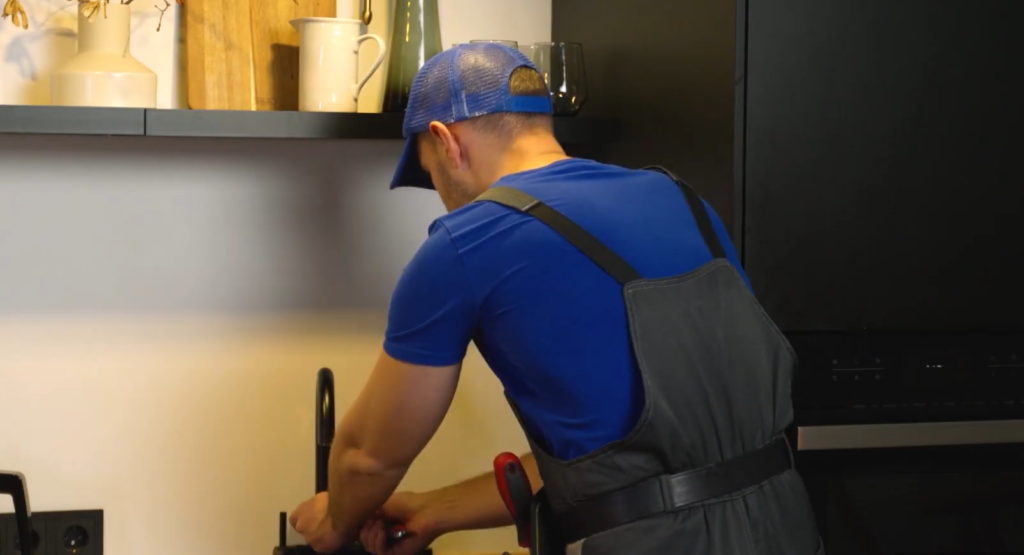
A drain problem qualifies as an emergency when sewage is backing into your home, when more than one fixture is affected at the same time, or when water is actively damaging your floors or walls. That’s different from a single slow sink, which can usually wait. If you’re dealing with the first kind of problem, this guide will help you evaluate an emergency drain company quickly: what to search for, what questions actually separate a good option from a bad one, and what to expect once someone shows up.
Is a Clogged Drain Really an Emergency?
A clogged drain is a genuine emergency when it threatens your home, your health, or your ability to use water at all, and it’s not an emergency when it’s an isolated inconvenience that can wait for a scheduled visit.
Situations that usually need immediate help
- Sewage backing up into the home. Wastewater entering living space is a health hazard the moment it happens.
- Multiple drains backing up together. This points to a shared branch or main-line blockage affecting the whole household.
- Toilet and shower/tub backing up together. A strong sign of a downstream restriction, not a fixture-level problem.
- A floor drain overflowing. Floor drains sit at the lowest point in most systems, so this often means the whole line is compromised.
- Wastewater entering living areas. Any sewage reaching flooring, carpet, or drywall turns a plumbing problem into a property-damage problem fast.
- A suspected main sewer line blockage. Whole-house symptoms need same-day diagnosis, not a wait-and-see approach.
- An overflow you can’t stop. If shutting off the nearest fixture doesn’t stop the water, you need a technician, not another attempt.
- Water damage actively occurring because of the backup. Every additional hour typically means more damage and a bigger cleanup bill.
Clogs that may not require emergency service
- One slow bathroom sink. Usually a local, isolated issue.
- A minor shower hair clog. Common, cheap to fix, and rarely urgent.
- A drain that’s still functioning, just slowly. Slow isn’t the same as blocked.
- Occasional slow drainage with no backup. Worth watching, not worth a middle-of-the-night call.
Knowing this distinction saves you money on after-hours fees you don’t need to pay, and it’s the kind of guidance a plumber should be comfortable giving you honestly, even when it means you don’t need us tonight.
How to Tell if the Problem Is a Single Drain Clog or a Main Sewer Blockage
The number of affected fixtures is the fastest way to judge severity, though it’s a strong indicator rather than a certain diagnosis.
One fixture affected
One slow or clogged fixture, with nothing else in the house affected, is most likely a localized clog contained to that fixture’s trap or branch line.
Several fixtures affected
Several fixtures slow or backed up at the same time points toward a shared branch line or main-line problem serving more than one part of the house.
Toilet and shower reacting to each other
A toilet that gurgles or rises when the shower runs, or the reverse, means the two fixtures share a line, and that shared line has a restriction somewhere downstream of both.
Sewage backing up through a floor drain
A floor drain backing up with sewage, rather than just standing water, is one of the clearest signs of a main-line issue, since floor drains are typically the lowest point wastewater can surface.
Multiple toilets/drains affected
More than one toilet or several drains across different rooms backing up together should escalate your urgency immediately, since it usually means the main house drain itself is compromised.
| What You’re Seeing | What It May Mean | Urgency |
| One slow sink | Local restriction | Low to moderate |
| Shower won’t drain | Local clog | Moderate |
| Several drains slow | Shared or deeper restriction | High |
| Toilet bubbles when sink runs | Drain or vent issue | Moderate to high |
| Toilet + shower backup | Main-line concern | High |
| Sewage backup | Serious sewer or drain issue | Urgent |
| Floor drain overflowing | Possible main sewer backup | Urgent |
What to Do Before Calling an Emergency Drain Plumber
- Stop using water if multiple fixtures are backing up. Every additional gallon has nowhere to go and raises the risk of an indoor backup.
- Keep people and pets away from contaminated wastewater. Sewage carries pathogens; the CDC advises avoiding direct contact with sewage-contaminated water whenever possible.
- Shut off water when appropriate. If a supply line failure is contributing to the flooding, or you’re not sure, shutting off your home’s main water valve stops the situation from getting worse.
- Don’t repeatedly flush a backed-up toilet. Each flush adds more water to a system that’s already struggling to drain it.
- Don’t pour more chemicals into a blocked drain. Chemical drain cleaner won’t clear a main-line blockage, and it leaves hazardous residue for whoever works on the line next.
- Move valuables away from affected areas. Get anything absorbent or irreplaceable away from standing water before it spreads further.
- Document the affected fixtures and symptoms. A quick note or a few photos of what’s happening, and when it started, helps a technician diagnose faster once they arrive and supports any insurance claim.
How to Find an Emergency Drain Unclogging Service in Greenville, SC
Search using specific local terms
Searching with specific, local terms gets you more relevant results faster than a generic search, since it filters toward companies who actually service your area and advertise the specific capability you need.
Useful search patterns include: “emergency drain cleaning Greenville SC,” “emergency drain unclogging Greenville SC,” “24 hour drain cleaning Greenville,” “emergency sewer line cleaning Greenville SC,” “clogged drain plumber near me,” and “emergency sewer backup plumber Greenville.” Specificity matters here because “plumber near me” alone returns general plumbing companies, some of which don’t handle serious drain or sewer work at all, covered in the next section.
What to Check Before Hiring an Emergency Drain Company
Does the company actually offer emergency drain service?
A company advertising “emergency plumbing” isn’t automatically equipped for serious sewer or main-line work, since emergency plumbing often means leak and fixture repairs rather than drain cleaning, hydro jetting, or sewer camera diagnosis. Ask specifically whether they handle drain and sewer emergencies, not just plumbing emergencies in general.
Is someone actually available after hours?
Confirm real availability rather than trusting the phrase “24/7” on its own, since there’s a real difference between 24/7 advertising and 24/7 live dispatch. Call the number directly and see whether a real person answers, or whether you get a voicemail promising a callback by morning.
Does the company serve your Greenville location?
Confirm coverage of your specific address, not just the word “Greenville,” since plenty of companies branded around Greenville actually cover a smaller radius or charge extra outside their core area. This matters more in Greer, Simpsonville, Mauldin, Taylors, Easley, Travelers Rest, Powdersville, and Piedmont than it does inside the city itself, since not every “Greenville” company covers every Upstate community equally.
Is the plumber licensed and insured?
In South Carolina, residential plumbing work over $500 requires licensure through the South Carolina Department of Labor, Licensing and Regulation’s Residential Builders Commission, and you can verify a company’s license directly through LLR’s online license lookup before you let anyone start work. South Carolina licenses the contracting business, not individual journeyman plumbers, so you’re verifying the company’s license, not a technician’s personal one.
Does the company have real local reviews?
Look for reviews specific to drain and sewer work, not just general plumbing praise, and be skeptical of a company with only a handful of reviews or reviews that read as generic. A company that’s handled genuine emergencies in your area will usually have reviews describing exactly that.
Does the company have drain/sewer equipment?
A legitimate emergency drain company should have drain augers, professional-grade snakes, hydro jetting equipment, a sewer camera, and cleanout access equipment on hand, not just basic fixture-repair tools. Ask directly if you’re unsure; a company that can’t answer clearly likely doesn’t have it.
Can they handle main sewer problems?
Confirm specifically whether they can diagnose and clear a main sewer line, not just fixture-level clogs, since this is a materially different job requiring different equipment, covered throughout this guide.
Do they explain pricing before work?
A company should be willing to explain how they price a job, flat-rate or hourly, whether the service call is included, and whether an after-hours fee applies, before they start working, not after. See our full Drain Cleaning Cost in Greenville, SC guide for what those numbers typically look like.
Do they offer a warranty or workmanship guarantee?
Ask what happens if the clog returns shortly after the visit, since a company confident in their work should be able to answer this clearly rather than deflecting the question.
Questions to Ask an Emergency Drain Plumber Before They Come
- Do you provide 24/7 emergency drain cleaning in Greenville?
- Is someone available right now?
- How soon can a technician arrive?
- Do you handle main sewer-line blockages?
- Do you have drain-cleaning equipment on the truck?
- Can you perform a sewer camera inspection if needed?
- Do you provide upfront pricing before starting work?
- Are your plumbers licensed and insured?
- Is there an after-hours or emergency-service fee?
- What happens if the clog returns?
How Fast Should an Emergency Drain Plumber Arrive in Greenville?
An honest answer is that arrival time depends on your location, current traffic, time of day, how many other emergency calls are already in progress, the severity described, weather, and which technicians are actually available at that moment. Any company promising an exact arrival time before they know these details is guessing, not committing.
Other companies in this space are upfront about this same reality. 1-Tom-Plumber, for instance, states that response times vary by location and current demand rather than promising a fixed number. That’s the honest standard to expect, and it’s worth treating a company that guarantees an unqualified arrival time with some skepticism.
What “24/7” should actually mean
- Phone answered, by a real person, not routed straight to voicemail.
- Dispatch actually available, meaning a technician can genuinely be sent out, not just that someone can take a message.
- A real emergency appointment possible, not just “we’ll call you back in the morning.”
- Technician availability explained honestly, including if the wait is longer than usual because of a busy night.
What Should an Emergency Drain Plumber Check When They Arrive?
- Identify affected fixtures. Confirms whether this is a local or shared-line problem before anything else happens.
- Determine whether the clog is localized or deeper. Sets the direction for every step that follows.
- Check cleanout access. Finds the most direct entry point to the affected line.
- Evaluate the drain line. Confirms pipe material and condition where relevant, especially before choosing an aggressive cleaning method.
- Use a drain auger when appropriate. The standard first tool for most debris-based clogs.
- Consider hydro jetting for severe buildup. Appropriate for grease, scale, and root-related buildup in a structurally sound pipe, not a default for every call.
- Use camera inspection for recurring or deep blockages. Confirms cause rather than just clearing a symptom.
- Test drainage after clearing. Confirms the line is actually clear, not just temporarily open.
- Explain the cause and next steps. You should leave the visit understanding what happened and whether it’s likely to happen again.
Emergency Drain Cleaning vs. Sewer Line Repair
When cleaning may solve the problem
Cleaning solves the problem when the blockage is debris, hair, grease, food, soap, or a manageable root mass, sitting in an otherwise structurally sound pipe.
When the pipe itself may be damaged
The pipe itself may be the actual problem when a plumber finds tree roots that keep returning, a cracked pipe, a collapsed section, significant corrosion, offset joints, a bellied line, or buildup severe enough that cleaning alone can’t restore lasting flow. These structural causes are covered in full in our clogged main drain guide.
Why recurring emergency clogs need diagnosis
A drain that produces repeat emergency calls for the same underlying blockage should get a real diagnosis, not another round of cleaning, because clearing the same spot every few weeks treats the symptom while the actual cause, usually structural, stays in place and keeps costing you money.
How Much Does Emergency Drain Unclogging Cost in Greenville, SC?
Emergency drain unclogging in Greenville typically costs 30% to 50% more than the equivalent scheduled daytime service, reflecting the cost of dispatching a technician outside normal hours rather than any kind of penalty pricing.
What affects emergency drain-cleaning cost?
- Time of service (after-hours and weekend calls typically carry a premium)
- Location of the blockage (fixture, branch line, or main line)
- Severity of the blockage
- Fixture-level versus main-line scope
- Equipment required
- Whether hydro jetting is needed
- Whether a camera inspection is needed
- Whether root removal is involved
- Whether the job turns out to be a repair rather than a cleaning
- Accessibility of the cleanout or affected line
Ask whether there is an after-hours fee
Confirm this specifically before the technician starts, since some companies fold it into a single flat-rate quote and others itemize it separately.
Ask for pricing before authorization
Get a real number, or a real range, before you approve anything beyond the initial diagnosis, and treat any company unwilling to give you one before starting work as a red flag.
Greenville-Specific Reasons Drain Emergencies Can Become Serious
Older homes and aging plumbing infrastructure
Greenville County’s median year of housing construction is 1992, meaning a meaningful share of local homes are built with older pipe materials, cast iron, clay, or in some cases galvanized steel, that can behave differently under cleaning and are more prone to the structural failures that turn a routine clog into an emergency. This changes the decision a homeowner faces: in an older home, a recurring or severe clog is more likely to warrant camera diagnosis before another round of cleaning, rather than assuming it will resolve the same way every time.
Mature trees and sewer-root intrusion
Mature trees near an older sewer lateral raise the odds that a sudden, severe main-line blockage is root-related rather than a one-off debris clog, which changes what a technician should check for on arrival and whether repeat emergencies are likely without addressing the entry point.
Soil movement and underground sewer lines
Greenville sits in South Carolina’s Piedmont region, where clay-heavy soil expands and contracts with moisture, and that movement can stress buried pipe joints over years. For a homeowner facing a sudden severe backup, this means a first-time emergency in an older home with no obvious cause is a reasonable candidate for a camera check rather than assuming it was a one-time fluke.
Crawl-space homes and water intrusion
A crawl-space home generally gives a technician more direct, faster access to the main drain during an emergency than a slab-foundation home does, which can meaningfully shorten how long a serious backup takes to actually resolve once help arrives.
Heavy rainfall and drainage conditions
Water in a basement or crawl space after heavy rain is not automatically a sewer emergency, and treating it as one can send you toward the wrong kind of help. Stormwater intrusion through a foundation crack tracks with rainfall regardless of water use inside the home, while a true sewer backup tracks with fixture use and typically carries actual wastewater and odor.
Differences between municipal sewer and septic properties
A Greenville-area home on septic responds to a whole-house drainage emergency differently than one connected to public sewer, since a septic emergency may point to the tank or drain field rather than anything a drain plumber can resolve, and knowing which system your home uses before you call saves real time in a genuine emergency.
Emergency Drain Problems Commonly Seen in Greenville Homes
- Backed-up toilets, often the first visible sign of a shared-line problem.
- Shower or bathtub wastewater backup, especially when it happens while another fixture is in use.
- Kitchen sink blockage, commonly grease-related and sometimes severe enough to affect a connected dishwasher line.
- Multiple bathroom drains backing up, a strong signal of a main-line issue.
- Laundry drain overflow, frequently exposed by the high water volume a washing machine discharges quickly.
- Floor drain backup, especially in basements, garages, and utility rooms.
- Main sewer line blockage, the most serious category, producing whole-house symptoms.
- Recurring drain clogs, which escalate to emergencies when they finally reach a full stop after weeks of partial warning signs.
How to Avoid Hiring the Wrong Emergency Drain Company
- Be cautious of impossible arrival promises. A precise guaranteed arrival time given before anyone knows your location or the current call volume isn’t realistic, as covered above.
- Be cautious of extremely low “starting prices.” A rock-bottom advertised price that doesn’t survive contact with your actual job is a common bait tactic.
- Don’t hire someone who refuses to explain the problem. You should get a plain-language explanation of what’s wrong, not just a bill.
- Don’t ignore licensing/insurance questions. Skipping this step removes your protection if something goes wrong during the work.
- Be cautious if they immediately recommend expensive replacement without diagnosis. A camera inspection or clear evidence should come before a repair or replacement recommendation, not after a quick look.
- Don’t let anyone pressure you into unnecessary work. A legitimate technician explains options and lets you decide, especially for anything beyond the immediate emergency fix.
- Check recent local reviews, not just testimonials on the company website. Company-selected testimonials are curated by definition; independent review platforms give you a fuller picture.
Emergency Drain Cleaning vs. DIY Drain Unclogging
When a plunger may be reasonable
A plunger is reasonable for a single, isolated fixture clog, a toilet or sink with no other symptoms and no other fixtures affected.
When a basic drain snake may be appropriate
A basic hand snake can be appropriate for a mild, accessible clog close to the drain opening, with no history of recurring the same problem.
When DIY becomes risky
DIY becomes risky the moment more than one fixture is involved, sewage odor appears, or a first honest attempt doesn’t fully resolve the problem, since these are the same patterns that separate a simple clog from an emergency throughout this guide.
Why repeated chemical drain cleaner isn’t a good long-term strategy
Repeated chemical cleaner use can corrode older pipe and leave hazardous residue behind without addressing buildup lining the rest of the line, which is why the same drain often clogs again shortly after.
When professional equipment is appropriate
Professional equipment becomes appropriate once a clog is beyond what basic tools can safely reach or clear. Roto-Rooter explicitly cautions that professional-grade sewer-cleaning equipment can be dangerous for inexperienced operators, while acknowledging that simple clogs can sometimes be handled by a homeowner. That’s a fair, honest line, and it’s the same one we’d draw: simple and accessible, try it yourself; anything involving a main line, recurring symptoms, or equipment you don’t own and haven’t used, call a professional.
What Happens After the Emergency Clog Is Cleared?
Confirm normal drainage
A technician should run water through multiple fixtures, not just the one that was blocked, to confirm the whole system is actually functioning normally again.
Identify the cause
You should leave the visit knowing what actually caused the blockage, not just that it’s temporarily gone.
Determine whether further inspection is needed
If the cause is unclear, or the symptoms suggested a shared-line problem, a camera inspection may be the right next step rather than waiting to see if it happens again.
Discuss prevention
A good technician tells you what you can realistically do to avoid a repeat of this specific problem, not a generic list unrelated to what actually happened.
Address recurring blockages
If this wasn’t the first emergency call for the same drain or line, that history should shift the conversation from “clear it again” to “figure out why.”
Decide whether a camera inspection is justified
Recurring symptoms, root suspicion, or an unclear cause are the standard triggers for moving to camera diagnosis.
How to Prevent Another Emergency Drain Backup
- Keep grease out of drains. The most common preventable cause of kitchen-line emergencies.
- Use hair catchers. Cheap, effective prevention for shower and tub buildup.
- Don’t flush wipes. Toilet paper only, regardless of “flushable” labeling.
- Don’t ignore slow drains. A slow drain today is an early warning most emergencies gave before they became emergencies.
- Address recurring clogs early. A second occurrence in the same spot is the signal to diagnose, not to clean again.
- Consider inspection for older plumbing. Especially relevant given Greenville County’s older housing stock, covered above.
- Investigate root-related recurring blockages. Particularly in homes with mature trees near an older sewer lateral.
Emergency Drain Service Checklist for Greenville Homeowners
Before calling:
- Stop unnecessary water use
- Identify affected fixtures
- Check for sewage backup
- Keep children and pets away
- Avoid chemical cleaners
- Find your water shutoff if needed
- Take photos
- Search for emergency drain service
- Verify licensing and insurance
- Confirm emergency availability
- Ask about response time
- Ask about pricing
- Ask whether they handle main sewer lines
Frequently Asked Questions About Emergency Drain Unclogging in Greenville
How do I find an emergency drain cleaning service near me in Greenville?
Search specific terms like “emergency drain cleaning Greenville SC” or “24 hour drain cleaning Greenville,” then confirm real availability by calling directly, checking that they serve your specific location, and verifying licensing and equipment before you commit.
What qualifies as a drain emergency?
A drain emergency involves sewage backing into the home, multiple fixtures backing up together, an overflow you can’t stop, or active water damage. A single slow drain with no other symptoms usually doesn’t qualify.
Can a clogged drain wait until morning?
A single, isolated, slow-draining fixture with no backup and no odor can typically wait for scheduled daytime service. Multiple affected fixtures, sewage, or active water damage should not wait.
How do I know if my main sewer line is clogged?
The clearest signs are multiple fixtures affected at once, a toilet and shower reacting to each other, and a floor drain backing up, especially with sewage rather than just standing water.
What should I do if sewage backs up into my shower?
Stop using water in the house, keep people and pets away from the contaminated area, and call a plumber for diagnosis rather than attempting to clean it up yourself, since sewage-contaminated water carries real health risks.
What should I do if multiple drains back up at once?
Stop using water immediately, since every additional fixture used adds volume to a system that can’t currently drain it, and call an emergency plumber rather than attempting to clear each fixture separately.
Does 24/7 plumbing service really mean someone answers the phone all night?
Not always. Some companies advertise 24/7 but route calls to voicemail overnight. Confirm real, live availability by calling the number directly and asking whether a technician can actually be dispatched right now.
How quickly can an emergency plumber reach me in Greenville?
Response time depends on your location, current call volume, time of day, and technician availability, so a company promising an exact arrival time before knowing these details is guessing rather than committing.
How much does emergency drain cleaning cost in Greenville?
Emergency drain cleaning typically costs 30% to 50% more than the equivalent scheduled daytime service.
Is emergency drain cleaning more expensive at night?
Yes, typically, since after-hours and overnight dispatch carries the same premium as any emergency or weekend call, generally 30% to 50% above standard scheduled pricing.
Should I use Drano before calling an emergency plumber?
No, especially for anything beyond a minor single-fixture clog. Chemical drain cleaners won’t clear a main-line blockage and can leave hazardous residue for the technician who works on the line next.
Can a plumber clear a sewer-line blockage the same night?
Often, yes, if the blockage is debris-based and the plumber has the right equipment on the truck. A blockage caused by a structural problem, a collapsed or badly damaged pipe, may require a repair plan that can’t be completed the same night even after the immediate backup is relieved.
When is a sewer camera inspection necessary?
A camera inspection becomes necessary when a clog is recurring, the cause is unclear, root intrusion is suspected, or a plumber needs to confirm the pipe’s structural condition before recommending further work.
What is the difference between drain cleaning and sewer-line repair?
Drain cleaning removes debris blocking the line and restores flow. Sewer-line repair addresses damage to the pipe itself, a crack, a collapse, an offset joint, that cleaning alone can’t fix and that will keep causing the same problem until it’s actually repaired.
How can I prevent another emergency drain clog?
Keep grease and inappropriate materials out of your drains, use hair catchers, don’t ignore recurring slow drains, and consider a camera inspection if you’re in an older home with a documented history of clogs, particularly one with mature trees near the sewer lateral.
If what you’re dealing with right now matches the emergency signs in this guide, especially sewage, multiple fixtures, or active water damage, the right next step is calling someone who can actually diagnose and clear it, not searching for another home remedy. Our Drain Services in Greenville, SC page covers our approach to emergency and scheduled drain work across the areas we serve.