
Plumbing advice
What Are the Common Signs of a Clogged Drain in a Home?
September 3, 2026
The most common signs of a clogged drain are slow drainage, standing water, gurgling sounds, foul odors, a blockage that keeps coming back, and water backing up into a different fixture. One slow sink usually means a local, isolated clog. Several affected fixtures at once usually mean the blockage sits deeper, in a shared branch line or the main drain.
A clogged drain, in the plainest possible terms, is any point in your plumbing where wastewater flow is partially or fully restricted by debris, buildup, or a structural problem in the pipe. That single distinction, partial versus full, local versus shared, is what every symptom below is actually telling you.
10 Common Signs Your Home Drain May Be Clogged
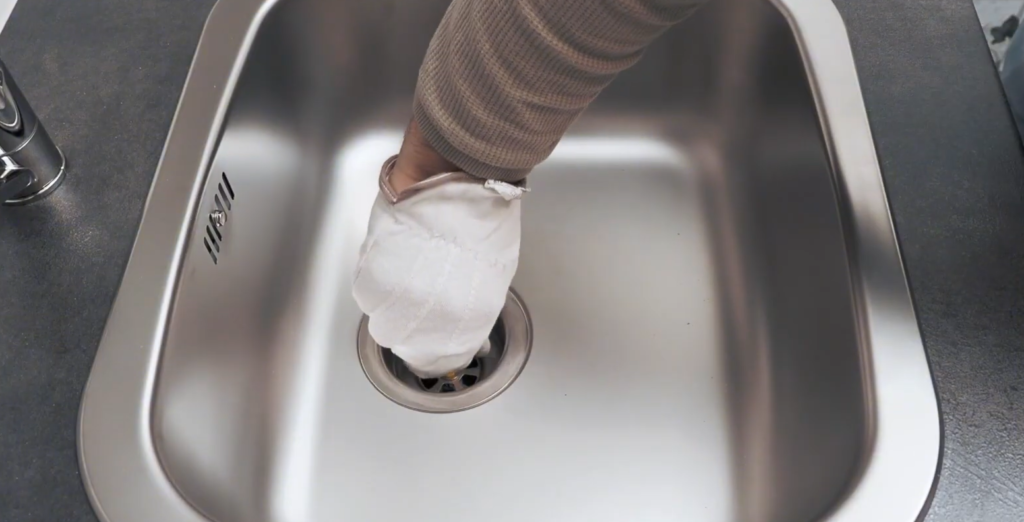
1. Water Is Draining More Slowly Than Usual
A slow drain means water can still pass, but something inside the pipe is narrowing the space it has to move through, whether that’s a kitchen sink, a shower, a bathroom sink, a laundry drain, or a floor drain. This is a partial blockage, not a complete one, which is actually good news: it’s usually the easiest and cheapest stage to address.
What does a slow drain mean? It means a restriction exists somewhere between the fixture and the point where that line joins a larger drain, and the restriction hasn’t fully closed off flow yet.
One slow drain, on its own, is likely localized to that fixture’s trap or branch line. Several slow drains at the same time point toward a shared branch or main-line restriction instead, covered in detail in the next section.
2. Water Is Standing in the Sink, Tub, or Shower
Standing water means the drain can no longer keep pace with the water entering the fixture, which is the visible endpoint of the same partial-blockage process described above, just further along. You’ll notice it as water pooling around your feet in the shower, a kitchen sink that holds dirty dishwater well after you’ve finished, or a bathtub that takes several minutes to fully empty after a bath.
Is standing water always a clogged drain? Not always. Drainage problems can also come from a vent issue or a fixture-specific mechanical problem, so persistent standing water that doesn’t resolve with basic clearing warrants an actual look rather than repeated plunging.
3. You Hear Gurgling, Bubbling, or Slurping Sounds
Gurgling happens when air trapped in the pipe by a restriction escapes back up through the water in a fixture’s trap, most often audible in a toilet or a nearby drain while another fixture runs. Water struggling to pass a partial blockage displaces air that has nowhere else to go.
A toilet gurgling when you run the sink or start the washing machine is a specific, useful version of this symptom: it means the two fixtures share a line, and something downstream of both is restricting flow. Gurgling from multiple fixtures at once is more concerning than gurgling from just one, for the same reason multiple slow drains are more concerning than one.
Gurgling does not automatically prove a clog. A blocked or undersized plumbing vent can produce very similar sounds by disrupting normal air pressure in the system, without any blockage in the drain line itself. This is a distinction most clogged-drain articles skip, and it’s exactly the kind of detail a plumber checks for before assuming the obvious answer.
4. A Bad or Sewage-Like Smell Comes From the Drain
Drain odors usually come from organic material decomposing inside the pipe, food particles, grease, hair, and soap residue breaking down and off-gassing, though a true sewage smell can also mean sewer gas is escaping through a dry trap or a venting problem rather than the drain being blocked at all.
Why does my drain smell bad if it isn’t completely clogged? Because a drain doesn’t need to be fully blocked to hold decomposing debris. A partial restriction gives organic material a place to sit and break down, producing odor well before it produces a visible slowdown.
5. Water Backs Up Into Another Fixture
Water backing up into a different fixture than the one you’re using is one of the clearest signals in this entire list, because it means the two fixtures share a line, and something downstream of both is blocked. Common examples: flushing a toilet and watching shower water rise, running the washing machine and seeing a nearby floor drain back up, or running a kitchen sink and noticing a bathroom fixture react.
This pattern points to a shared branch drain or, if enough fixtures across the house are involved, the main drain or sewer line itself. It’s a stronger and more specific signal than gurgling or slow drainage alone, and it’s the symptom that most reliably separates a simple fixture clog from something that needs a broader diagnosis.
6. More Than One Drain Is Slow or Clogged
The number of affected drains is the fastest practical way to estimate how deep a blockage sits in the system.
| What You Notice | What It May Indicate |
| One sink slow | Local fixture clog |
| Sink + tub slow | Shared branch restriction possible |
| Several bathrooms slow | Deeper drain or main-line issue possible |
| Toilet + shower backing up | Main-line concern |
| Multiple fixtures + sewage | Urgent sewer/drain problem |
7. The Same Drain Keeps Clogging Again
A drain that clogs again within weeks of being cleared usually means the previous cleaning opened a path through the blockage rather than fully removing what caused it, and the underlying buildup, grease, hair and soap, or in more serious cases a root intrusion, a pipe belly, or corrosion, is still there and still collecting debris.
Why does my drain keep clogging after I clear it? Because clearing and cleaning aren’t the same thing. A drain snake can push through an obstruction without scouring the buildup lining the rest of the pipe, which is exactly why a recurring clog in the same spot is one of the strongest reasons to move from repeat cleaning to real diagnosis.
8. Your Toilet Bubbles, Gurgles, or Flushes Poorly
A toilet that bubbles, gurgles, flushes slowly, or shows unusual water-level changes after flushing is often the most sensitive fixture in the house for detecting a shared-line problem, since toilets have a wide trap and a direct path to the main drain. A single toilet with an occasional weak flush and no other symptoms is often just a fixture-level issue, low water level, a partial clog in the toilet’s own trap, or a component needing adjustment.
A toilet with these symptoms alongside a shower or tub reacting at the same time points toward a deeper drain or sewer restriction rather than a toilet-specific problem, echoing the pattern covered above.
9. You See Drain Flies or Small Flies Around the Drain
Drain flies breed in the organic film that coats the inside of a slow or partially clogged drain, so their presence is a reasonable clue that buildup exists somewhere in that line. It is not proof on its own that the drain is fully clogged.
Drain flies can appear around a drain with mild buildup that isn’t yet causing any noticeable slowdown, and they can occasionally show up for reasons unrelated to a clog, like a nearby drain that’s rarely used and has dried out. Treat them as a prompt to look closer, not as a diagnosis by themselves.
10. A Floor or Basement Drain Starts Backing Up
Floor and basement drains, common in laundry areas, utility rooms, and lower-level living spaces, sit at the lowest point most home drainage systems reach, which means they’re frequently the first place a shared-line problem becomes visible. A floor drain backing up with no other explanation, no recent heavy use of that specific drain, is often an early warning of a main-line restriction rather than a problem local to that drain.
How to Tell Whether You Have a Local Drain Clog or a Main Sewer-Line Clog
The number and pattern of affected fixtures is the most reliable way to distinguish a local clog from a main-line clog, though the pattern is a strong clue rather than a certain diagnosis on its own.
Signs of a local drain clog
- One fixture affected
- Gradual, slow-building slowdown rather than a sudden multi-fixture event
- Isolated to a kitchen sink
- Isolated to a bathroom sink
- Isolated to a shower with no other fixtures involved
Signs of a main drain or sewer-line clog
- Multiple fixtures affected at the same time
- Toilet and shower interacting with each other
- Water backing up in a fixture you’re not currently using
- Sewage smell rather than ordinary drain odor
- Gurgling from more than one drain
- A floor drain backing up
- A recurring, whole-house drainage pattern rather than a single problem spot
What happens when you run water elsewhere?
Running water at a different fixture while watching another one is one of the simplest diagnostic tests available to a homeowner: if running the sink makes the toilet gurgle or rise, or if starting the washing machine backs up a floor drain, the two fixtures share a line, and the restriction is downstream of both.
Why multiple clogged drains deserve faster attention
Multiple clogged drains deserve faster attention because the shared line affects everything connected to it, meaning normal household water use, showers, laundry, dishes, keeps adding volume to a system that’s already struggling to move it. A single slow sink can usually wait for a convenient time. Several slow or backed-up drains at once is the pattern most likely to turn into an indoor backup if it’s ignored.
Where Is the Clog Most Likely Located?
Kitchen sink
Kitchen sink clogs are usually caused by grease, food particles, garbage disposal residue, soap, and cooking fats and oils, all of which coat the interior of the pipe and narrow it gradually rather than blocking it in one event.
Bathroom sink
Bathroom sink clogs typically come from hair, soap, toothpaste residue, and general personal-care debris collecting around the pop-up stopper and trap just below the drain opening.
Shower and bathtub
Shower and bathtub clogs are dominated by hair, soap scum, and body oils, sometimes combined with mineral buildup from Greenville’s moderately hard water narrowing the pipe further over time.
Toilet
Toilet clogs can be a local blockage from excess paper or a non-flushable item lodged in the toilet’s own trap, or they can be the visible symptom of a deeper drain restriction, especially when the same toilet clogs repeatedly or reacts to other fixtures being used.
Washing machine drain
Washing machine drain issues usually involve lint and detergent residue restricting the standpipe or the branch line it feeds into, and because a washer discharges a large volume of water quickly, a partially restricted line here often shows symptoms during the spin or drain cycle specifically.
Floor drain
Floor drain clogs commonly involve sediment and general debris settling at the drain itself, but a floor drain is also one of the first places a shared-line or main-line restriction shows up, as covered above.
What Usually Causes Clogged Drains in Greenville, SC Homes?
Clogged drains in Greenville homes come from the same physical causes seen nationally, grease, hair, soap, and debris, with a smaller number of cases involving factors that are more locally relevant here than in newer, warmer-climate markets.
- Grease and food buildup in kitchen drains, which coats pipe walls and narrows them gradually.
- Hair and soap scum in bathroom drains, the leading cause of shower and tub slowdowns.
- Mineral buildup and scale, more pronounced with Greenville’s moderately hard water over years of use.
- Tree roots entering underground sewer lines, drawn by moisture and nutrients through small cracks and loose joints.
- Older drain and sewer piping, which can behave differently under cleaning than modern PVC.
- Pipe settling, damage, or a low spot (a “belly”), which collects solids at the same location repeatedly.
- Non-flushable wipes and paper products, which don’t break down the way toilet paper does regardless of “flushable” labeling.
- Excessive debris entering drains, from food scraps to hygiene products to small objects.
Mature trees and older underground infrastructure become particularly relevant when a clog repeatedly returns or when multiple fixtures are affected at once, rather than as an explanation for every single slow drain.
Why Greenville Homeowners Should Pay Attention to Recurring Drain Problems
Older homes and aging drain infrastructure
Greenville County’s housing stock skews older than many fast-growing Sun Belt markets. The county’s median year of housing construction is 1992, meaning roughly half the homes here predate that year, some by decades, and older plumbing materials, cast iron, clay, and in some cases galvanized steel, can respond differently to cleaning and are more prone to the structural issues that cause recurring clogs. That doesn’t mean every older Greenville home has a specific pipe material or problem; it means age is a relevant factor to mention to your plumber, not a diagnosis by itself.
Mature trees and root intrusion
Roots don’t cause every clog, and a healthy mature tree near a sound sewer line often coexists with a home for decades without incident. But recurring sewer-line blockages in a home with mature trees near an older lateral deserve investigation rather than repeated cleaning, since root intrusion is one of the more common causes of a clog that returns in the same spot.
Greenville’s soil and underground pipe movement
Greenville sits in South Carolina’s Piedmont region, where clay-heavy soil layers are common and can expand when saturated and contract when dry. That repeated movement can, over years, stress buried pipe joints, contributing to some of the offset joints and minor misalignments that cause recurring clogs, though the degree of impact varies significantly by lot, soil composition, and how the original trench was backfilled. Not every recurring clog in Greenville traces back to soil movement, and it’s worth being skeptical of any article, including this one, that implies otherwise.
Heavy rain and drainage considerations
Heavy rain causing water intrusion in a basement or crawl space is a different problem from a clogged interior drain or a sanitary sewer backup, and it’s worth telling the two apart before assuming your plumbing is at fault. Stormwater entering through a foundation crack or a window well tracks with rainfall and shows up regardless of whether anyone inside is using water. A true drain or sewer clog tracks with water use inside the home and typically carries actual wastewater and odor, not just clear rainwater.
Are You Dealing With a Clogged Drain or Something Else?
Several other problems can mimic a clogged drain closely enough to fool a homeowner, and telling them apart changes who you should call.
Clogged drain vs. blocked plumbing vent
A blocked or undersized plumbing vent can produce gurgling, slow drainage, and odors that look almost identical to a clog, because both problems disrupt the air pressure a drain needs to flow properly. The practical difference: a vent problem often affects fixtures in a pattern that doesn’t match typical clog behavior, for instance multiple unrelated fixtures across different parts of the house gurgling with no clear shared drain line, and it requires roof or vent-stack access rather than drain cleaning to fix.
Clogged drain vs. sewer-line problem
A clogged drain is typically resolved with cleaning. A sewer-line problem, a crack, a collapse, a bellied section, involves the pipe itself and needs diagnosis, usually with a camera, before repair.
Clogged drain vs. septic problem
For Greenville County homes not connected to municipal sewer, slow or backed-up drains across the entire house can also point to a septic tank or drain field issue rather than a plumbing-side clog. The U.S. Environmental Protection Agency recommends inspecting a typical residential septic system every one to three years and pumping the tank every three to five years, and a system overdue on either is a real candidate for household-wide symptoms that look like clogged drains but aren’t.
Clogged drain vs. stormwater drainage problem
As covered above, water appearing after heavy rain, especially in a basement, crawl space, or near a foundation, is frequently a stormwater or grading issue rather than a clogged interior drain, and treating it as a drain problem wastes time addressing the wrong system.
Clogged drain vs. leaking/broken pipe
A leaking or broken supply or drain pipe can produce standing water, dampness, or odor without any actual blockage present at all. The distinguishing detail is usually location and pattern: a clog produces symptoms tied to drainage and water use, while a leak often produces damage, staining, or moisture in a spot unrelated to a fixture’s normal drainage path.
What Should You Do When You Notice a Clogged Drain?
- Identify which fixtures are affected. One fixture points toward a local problem; more than one points toward a shared line, as covered throughout this guide.
- Stop adding water if multiple fixtures are backing up. Every additional gallon has nowhere to go and raises the odds of an indoor backup.
- Remove visible debris if it’s safely accessible. Hair caught in a shower drain cover or an obvious obstruction at a sink strainer is worth clearing by hand before reaching for anything else.
- Try an appropriate basic fix for an isolated minor clog. A plunger or a basic hand auger is reasonable for a single, mild fixture clog with no history of recurrence.
- Don’t keep forcing a recurring clog. If the same drain has clogged more than once, repeating the same basic fix a third time rarely solves the underlying cause.
- Call a professional when symptoms indicate a deeper blockage. Multiple fixtures affected, sewage odor, water backing up into a different fixture, or a clog that keeps returning are all reasons to move from DIY to a professional diagnosis.
Should You Use Chemical Drain Cleaner?
Chemical drain cleaners work by using caustic or oxidizing chemicals to break down organic material in the clog, and they can provide temporary relief for a mild, fresh, organic clog close to the drain opening.
That relief is often temporary because chemical cleaners don’t remove buildup lining the rest of the pipe, only the material they directly contact, which is part of why the same drain frequently clogs again. Repeated use carries real risk to certain plumbing systems, particularly older metal pipe, which can corrode from repeated caustic exposure over time. Mixing different drain chemicals, especially an acid-based product with a bleach-based one, is genuinely dangerous and can produce toxic fumes. Plunging a drain shortly after a chemical treatment also creates a splash hazard, since the plunger can force caustic residue back up and out of the fixture.
Professional drain cleaning makes more sense once a chemical cleaner hasn’t worked on the first try, once the clog is recurring, or any time the drain in question feeds a shared line rather than a single, easily accessible fixture.
When Is a Clogged Drain an Emergency?
A clogged drain is an emergency when sewage is actively backing up, when multiple fixtures are affected together, or when wastewater is entering the home rather than staying contained in the drain system. Read the full guide on drain service for emergency clogs
Call promptly when:
- Sewage is backing up
- Multiple drains are affected at once
- A toilet and a shower or tub are interacting with each other
- Wastewater is entering the home
- A floor drain is overflowing
- The blockage keeps returning despite cleaning
- You notice strong sewage odors along with a backup
Less urgent, can typically wait for scheduled service:
- One mildly slow sink with no other symptoms
- An occasional, minor drainage slowdown
- An easily cleared, localized hair clog with no history of recurrence
How a Greenville Plumber Diagnoses a Stubborn or Recurring Clog
Ask which fixtures are affected
The first question is always which drains are involved and whether they’re connected, since that single answer does more to narrow down the location of a blockage than almost anything else.
Check drainage behavior
Watching how a fixture drains, and how nearby fixtures react when water runs elsewhere, confirms or rules out a shared-line problem before any equipment comes out.
Locate the cleanout when necessary
For anything beyond a simple fixture-level clog, finding the nearest cleanout gives direct access to the shared line rather than working blind through a fixture opening.
Use a drain auger/rooter for appropriate blockages
A cable auger is the standard first tool for debris-based clogs, hair, soap, food, paper, and it clears the large majority of both fixture-level and main-line blockages on its own.
Use a sewer camera when the problem keeps returning
A camera comes into play when a clog has returned after cleaning, when multiple fixtures are involved with no obvious cause, or when the plumber needs to confirm whether the pipe itself, not just debris, is the actual problem.
Consider hydro jetting when buildup/root intrusion warrants it
Hydro jetting is appropriate for grease, scale, sludge, and root-related buildup lining a structurally sound pipe. It is a treatment choice for a specific kind of problem, not the default answer to every clog, and a responsible plumber reserves it for situations where it’s genuinely the right tool.
Determine whether the problem is a clog, damaged pipe, root intrusion, belly, or another issue
The final step is naming the actual cause, not just reporting that the line is “clear” again, because a clog, a damaged pipe, root intrusion, and a bellied section all call for different next steps, and only one of them is solved by cleaning alone.
How to Prevent Clogged Drains in Your Greenville Home
- Keep grease, oil, and fats out of kitchen drains. Pour them into a container and dispose of them once solid, not down the sink.
- Use hair catchers in showers and tubs. A few dollars in mesh strainers prevents the single most common cause of shower and tub clogs.
- Don’t flush wipes. Toilet paper only, regardless of “flushable” labeling.
- Be careful with garbage disposal use. Run cold water while it’s operating, and avoid grinding fibrous scraps or large volumes of food waste.
- Don’t use drains as trash cans. Food scraps, hygiene products, and general debris belong in the trash, not the sink or toilet.
- Watch recurring slow drains instead of ignoring them. A second occurrence of the same problem is the signal to look closer, not to repeat the same basic fix again.
- Consider inspection for older homes with recurring problems. A home with a documented history of recurring clogs and older underground piping is a reasonable candidate for a proactive camera check before the next backup happens.
- Watch for root-related warning signs. Mature trees near an older sewer lateral, combined with a recurring clog in the same location, is a pattern worth having checked rather than cleaned repeatedly.
Clogged Drain Symptoms: Quick Diagnostic Checklist
| Symptom | Likely Issue | Urgency |
| One slow sink | Local partial clog | Low to moderate |
| Shower holding water | Hair or soap buildup | Moderate |
| Gurgling drain | Restriction or vent issue | Moderate |
| Foul drain odor | Organic buildup, trap, or sewer issue | Moderate |
| Standing water | Significant restriction | Moderate to high |
| Recurring clog | Deeper buildup or pipe issue | Moderate to high |
| Several slow drains | Main or branch-line restriction possible | High |
| Toilet + shower backup | Main drain or sewer concern | High |
| Sewage backup | Serious blockage | Urgent |
| Floor drain overflowing | Possible main-line backup | Urgent |
Frequently Asked Questions About Clogged Drains
What is the first sign of a clogged drain?
The first sign of a clogged drain is usually slower-than-normal drainage at a single fixture, water taking noticeably longer to clear a sink, shower, or tub than it used to. This typically means a partial blockage that hasn’t yet progressed to a full stop.
How do I know if my drain is clogged or just slow?
A drain that’s simply slow due to a minor, isolated partial blockage will still fully empty, just more gradually than usual. A drain that’s genuinely clogged either stops draining entirely or shows additional symptoms like gurgling, odor, or water backing up into another fixture.
Why does my drain gurgle when the toilet flushes?
Your drain gurgles because flushing the toilet sends air and water through a shared line, and if that line has a partial restriction downstream, trapped air escapes back up through the nearest available water seal, often a nearby sink or tub. This points to a shared branch line rather than a problem local to either fixture alone.
Why do multiple drains clog at the same time?
Multiple drains clog at the same time because they share a downstream section of pipe, a branch line or the main drain, and that shared section is restricted. Every fixture connected to it will show symptoms simultaneously rather than just the one you happen to be using.
Does a bad smell mean my drain is clogged?
Not necessarily. A bad smell can mean organic buildup inside a partially restricted drain, but it can also mean a dry trap letting sewer gas escape or a venting problem, neither of which is technically a clog. Persistent odor without an obvious cause is worth having checked either way.
Why does my drain keep clogging after I clear it?
Your drain keeps clogging because whatever cleared it removed the immediate obstruction without addressing the buildup lining the rest of the pipe, or because a structural cause, root intrusion, a pipe belly, or corrosion, is still present and still collecting debris. A drain that clogs more than once in the same spot is a strong candidate for camera diagnosis rather than another basic cleaning.
Can drain flies mean I have a clogged drain?
Drain flies can indicate organic buildup in a slow or partially clogged drain, since that buildup is what they breed in, but their presence alone doesn’t prove the drain is fully clogged. Treat drain flies as a reason to look closer, not as a standalone diagnosis.
Can a clogged drain cause sewage to back up?
Yes. A severe enough clog, particularly in a shared branch line or the main drain, can prevent wastewater from leaving the house at all, which forces it back up through the lowest or weakest point in the system, often a floor drain, a tub, or a toilet.
How do I know if the clog is in my main sewer line?
The clearest sign is multiple fixtures affected at the same time, especially a toilet and shower interacting, gurgling from more than one drain, or a floor drain backing up.
Is a clogged drain an emergency?
A clogged drain becomes an emergency when sewage is backing up, multiple fixtures are affected, or wastewater is entering the home. A single mildly slow sink with no other symptoms can typically wait for scheduled service.
Should I use Drano for a clogged drain?
A chemical drain cleaner like Drano may provide temporary relief for a mild, fresh, single-fixture clog, but repeated use can corrode older pipe, and it does little for a shared-line or recurring problem. It’s not a safe or effective choice for anything beyond a simple, isolated clog.
Can Greenville’s older homes have more drain problems?
Older Greenville homes can be more prone to certain drain problems because of aging pipe materials and decades of underground wear, and the county’s median year of housing construction, 1992, means a meaningful share of the local housing stock predates that. This is a relevant factor, not a guarantee, since pipe condition genuinely varies by property regardless of the home’s age.
Can tree roots cause clogged drains in Greenville?
Yes. Tree roots can enter sewer lines through small cracks and loose joints, particularly relevant in Greenville neighborhoods with mature trees near older sewer laterals. Roots don’t cause every clog, but a recurring blockage in a home with mature trees nearby is a reasonable candidate for root intrusion.
How much does professional drain cleaning cost in Greenville, SC?
Professional drain cleaning in Greenville typically costs $125 to $450 for a standard fixture or branch-line clog, with main-line clearing, hydro jetting, and camera inspections running higher. See our full Drain Cleaning Cost in Greenville, SC guide for the complete breakdown by drain type and cleaning method.
If your clogged drain is slow to clear, keeps coming back, or is affecting more than one fixture, professional drain service can help identify and clear the underlying problem. Learn more about our drain services in Greenville, SC and see which solution fits your situation.